
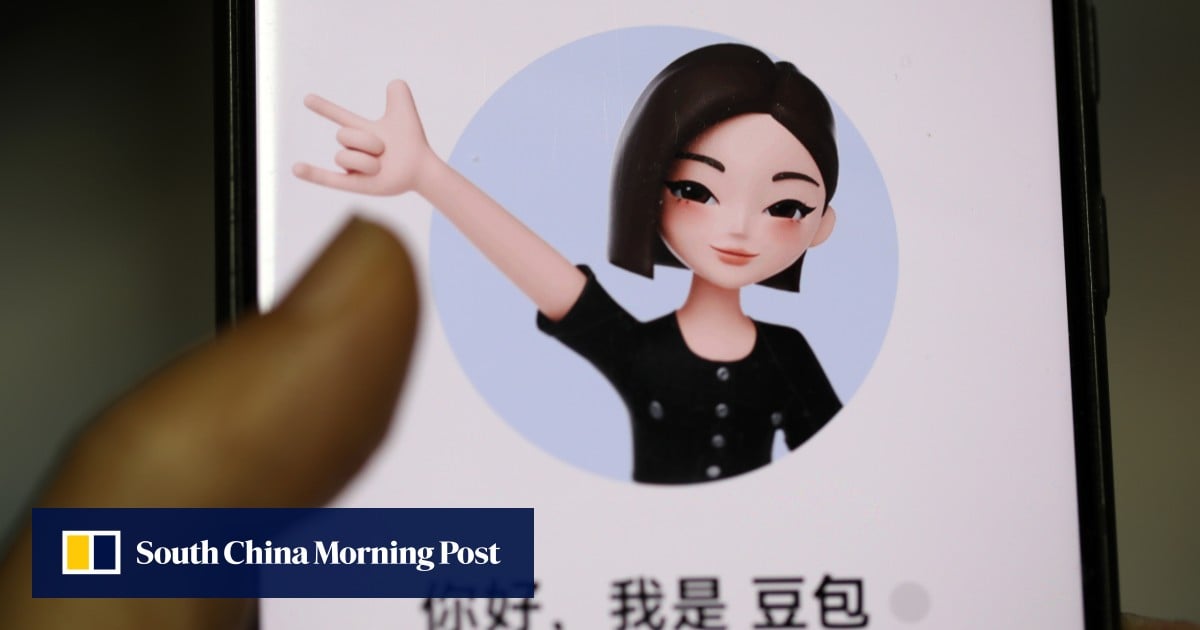
Both apps had offered a pool of agents, created by both the companies and users, that could be customised for specific tasks, skills and speaking styles. Users could also create their own agents, turning a general-purpose chatbot into a named assistant, tutor, role-playing character or companion with a fixed persona and tone.
The timing coincides with the implementation of the Interim Measures for the Administration of Artificial Intelligence Anthropomorphic Interaction Services, effective July 15. Issued in April, the rules cover AI services that “simulate human personality traits, thinking patterns and communication styles to provide sustained emotional interaction”.
The rules exclude customer service bots, knowledge Q&A, workplace assistants, education and scientific research tools, as long as they do not involve sustained emotional interaction.
The measures cited risks including extremist ideas, privacy leaks, harm to physical and mental health, and dependence or addiction.
Are we human? Why ByteDance and Alibaba are disabling AI agents in China

.jpg?itok=of0UikKl&ssl=1 "Australian Erin Patterson convicted of mushroom murders")

