
The U.S.-proposed plan combines a ceasefire-for-hostages deal, phased Israeli withdrawal, and international oversight on Gaza’s reconstruction and governance after the end of the conflict.
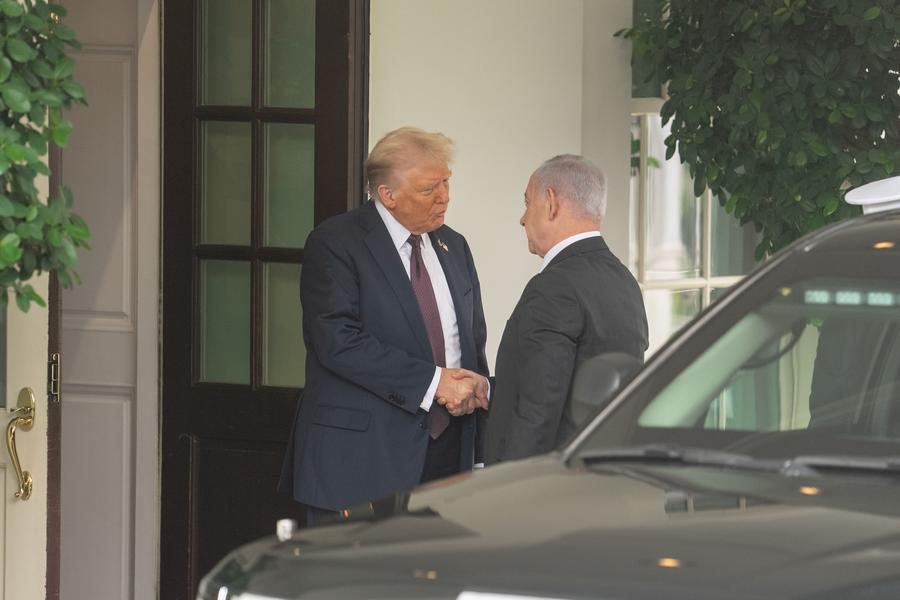
WASHINGTON, Sept. 30 (Xinhua) — U.S. President Donald Trump and Israeli Prime Minister Benjamin Netanyahu said on Monday they have agreed to a 20-point plan proposed by Washington to end the conflict in Gaza, touting it as a “critical step” toward durable peace in Gaza.
However, ambiguities and unresolved gaps in the plan, combined with uncertainties surrounding Hamas’ stance and the domestic instability of Netanyahu’s government, could derail hopes for lasting peace.
WHAT IS THE PLAN?
The U.S.-proposed plan combines a ceasefire-for-hostages deal, phased Israeli withdrawal, and international oversight on Gaza’s reconstruction and governance after the end of the conflict.
Under the ceasefire terms, Israel would halt military actions and pull back to the agreed lines. Hamas, within 72 hours of Israel’s public acceptance, must release all remaining hostages, living or deceased. In return, Israel pledges to free select prisoners and detainees, while disarmed Hamas members pledging peaceful coexistence could receive amnesty or a safe exit.
Once hostages are freed, large-scale humanitarian aid would flow immediately into Gaza to restore water, electricity, hospitals and basic services. A temporary technocratic committee of Palestinians, overseen by an international “Board of Peace” chaired by Trump and supported by global experts, would run daily governance.
An International Stabilization Force would train Palestinian police and help secure borders while Israel withdraws in phases, keeping only a perimeter buffer until conditions of stability are met — explicitly declining annexation or permanent occupation.
At the joint press conference at the White House, Trump vowed that if Hamas does not accept the plan, the United States would provide its “full backing” to Israel’s attack in Gaza.
Netanyahu said the plan meets Israel’s military goals, namely the return of all hostages, dismantling Hamas’ military capabilities and its political rule, and ensuring Gaza never again poses a threat to Israel. But he argued that the Palestinian Authority (PA) cannot have a role in the future governance of Gaza “without undergoing a radical and genuine transformation.”
MAJOR LOOPHOLES
Despite its initial welcome in parts of the Middle East, the plan is riddled with ambiguities and critical gaps.
First, it provides no binding or clear timetable for full Israeli withdrawal, a key demand of Hamas. The lack of deadlines and enforcement mechanisms would further raise the risk of slipping back into cyclical violence.
Second, the plan allows Israel to retain large buffer zones in Gaza, potentially undermining the territorial sovereignty of the Palestinians in practical terms.
Third, Israel seeks to keep the PA out of Gaza’s reconstruction and governance, a stance that runs against the expectations of many Arab states. Analysts warned that without the involvement of key Palestinian actors, any peace framework will be difficult to sustain.
Fourth, the plan omits explicit reference to the “two-state solution.” In fact, both the U.S. and Israeli governments have openly opposed the creation of a Palestinian state. The absence of a real, immediate statehood commitment is seen by many observers as symbolic rather than substantive.
Lastly and notably, Hamas was excluded from the latest round of negotiations and has publicly rejected some of the proposal’s core terms.
UNCERTAINTIES REMAIN
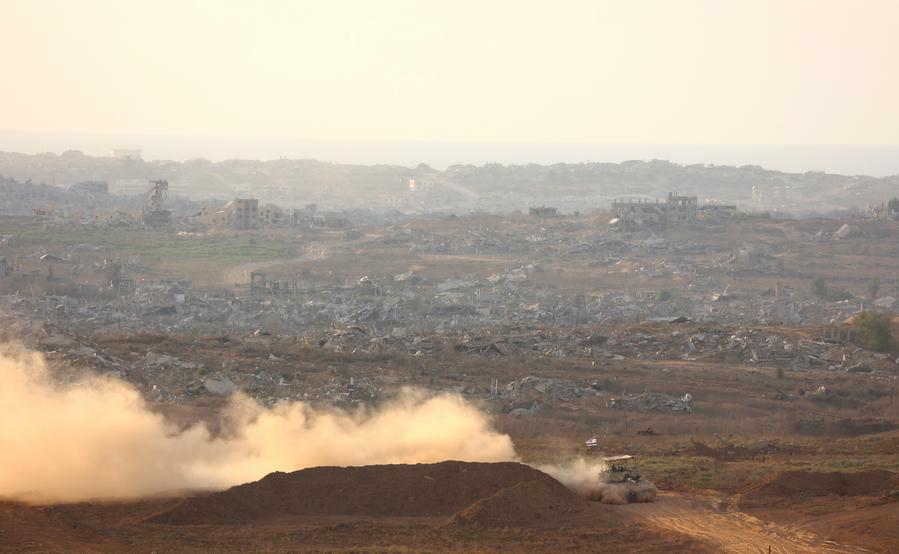
Analysts questioned whether the plan could achieve substantial progress in ending the conflict and bring durable peace in Gaza, as many uncertainties remain.
If Hamas rejects, conditionally accepts or simply delays acceptance, the framework could collapse even before it begins.
“While the plan is ambitious and backed by key regional players, its most critical question remains unanswered: will Hamas agree to disarm?” asked Joe Truzman, a senior research analyst with the Foundation for Defense of Democracies, on the think tank’s website.
Hamas’ “rhetoric and battlefield conduct suggest otherwise”, the researcher noticed, advising, “observers should remain cautious about the viability of any ceasefire deal that leaves the issue of disarmament unresolved.”
Additionally, the lack of a binding timeline and enforcement mechanisms in the plan increases the risk of ineffective implementation.
“Key details — let alone Hamas’ response — could decide whether the plan ultimately succeeds or falls prey to another ‘yes, but’ cycle,” said David Makovsky, director of the Koret Project on Arab-Israel Relations at The Washington Institute.
Beyond Hamas’s stance, Israel’s domestic politics could also jeopardize the plan. Netanyahu is facing mounting criticism at home, with protests over his handling of the Gaza war, ongoing corruption trials and growing fractures within his coalition.■


