
* Reports said Washington and Tehran were closing in on a one-page agreement aimed at ending their war. This week, the two sides engaged in their first deadly military clash over the Strait of Hormuz since reaching a ceasefire in early April.
* The current escalation is primarily driven by the United States’ pursuit of a containment strategy aimed at forcing Iran to retreat from or compromise on its positions, said a Ramallah-based political analyst.
* These sporadic incidents reveal the deep mistrust and divisions between the United States and Iran, dimming the prospects for a genuine return to peace in the region.
CAIRO, May 10 (Xinhua) — As the United States and Iran tread a bumpy road toward a potential deal to end hostilities, both sides have traded fire over the Strait of Hormuz in recent days, turning the strategic waterway into a tinderbox.
The recent tensions over the strait have exposed the deep divisions between the United States and Iran, further heightening uncertainty over their fragile ceasefire.
Experts suggest that the escalation may be a calculated strategy by both sides to strengthen their positions at the negotiating table. Yet the rising confrontations are increasing the risk of renewed conflict, further clouding the prospects for peace in the Middle East.
FRESH HOSTILITIES
Reports said Washington and Tehran were closing in on a one-page agreement aimed at ending their war. This week, the two sides engaged in their first deadly military clash over the Strait of Hormuz since reaching a ceasefire in early April.
In a bid to restore navigation through the Strait of Hormuz, which has been largely disrupted since the United States and Israel launched military strikes against Iran on Feb. 28, Washington on Monday launched the “Project Freedom” operation in the name of guiding ships out of the Strait of Hormuz.
In the operation, the United States deployed “guided-missile destroyers, more than 100 land- and sea-based aircraft, multi-domain unmanned platforms, and 15,000 service members,” according to the U.S. Central Command.
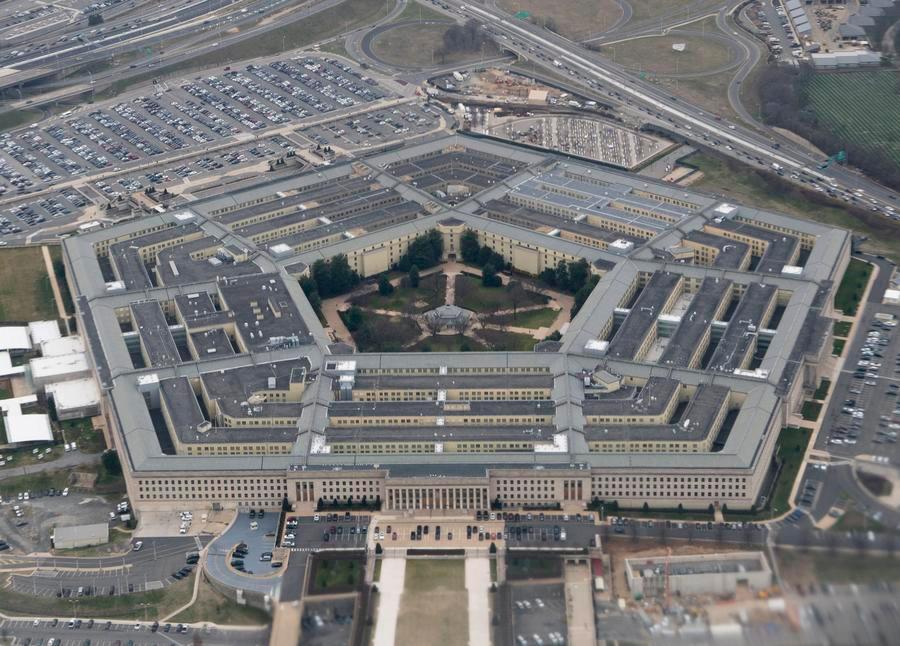
The U.S. military action prompted a forceful response from Iran, with the Islamic Revolution Guard Corps launching multiple missile and drone attacks against U.S. warships.
On Tuesday, although Trump announced a pause in Project Freedom, armed clashes between the two sides continued.
On Thursday night, Iran’s main military command, Khatam al-Anbiya Central Headquarters, said U.S. forces had attacked two Iranian vessels near the Strait of Hormuz and concurrently carried out airstrikes on civilian areas in southern Iran in cooperation with some regional states.
Ebrahim Zolfaghari, the Iranian command’s spokesperson, said Iranian forces immediately retaliated by attacking U.S. military vessels east of the Strait of Hormuz and south of Iran’s Chabahar port, causing significant damage.
On Friday, Iran’s official news agency IRNA reported that at least one person was killed and 10 others were injured in a U.S. attack on a civilian vessel off the Hormozgan coast the previous night.
On Saturday, the semi-official Mehr news agency reported that at least six people were injured and six others went missing in an attack by U.S. fighter jets on six Iranian cargo and fishing vessels near Oman’s port city of Khasab.
LEVERAGE AT NEGOTIATING TABLE
The crisis over the Strait of Hormuz comes against the backdrop of a near halt in shipping along this critical energy route since the outbreak of the U.S.-Israel-Iran conflict, sending global energy prices soaring and putting immense pressure on the United States, which initiated the war.
During hostilities with the United States, Iran has repeatedly emphasized its intention to establish a new legal framework to govern the waterway.
The Strait of Hormuz will not return to its pre-war status, Ebrahim Rezaei, spokesman for the Iranian parliament’s National Security and Foreign Policy Commission, said earlier this week.
On Tuesday, U.S. Secretary of State Marco Rubio said the United States will not allow Iran’s control of the Strait of Hormuz to be “normalized,” but the United States has so far not put forward an effective way to reopen it.
“The Strait of Hormuz is considered Iran’s most important winning card in the recent conflict with the United States,” said Mohammad Reza Manafi, a former editor-in-chief at Iran’s IRNA News Agency.
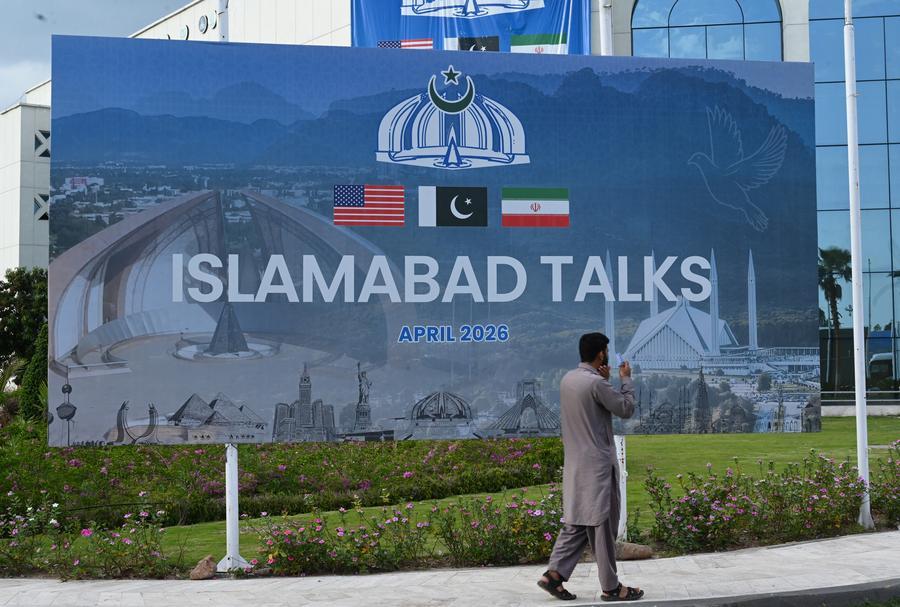
Since the conflict between the United States and Iran “is asymmetric” and “Iran attempts to use the most effective tools available, such as controlling the Strait of Hormuz,” Reza Manafi added.
The current escalation is primarily driven by the United States’ pursuit of a containment strategy aimed at forcing Iran to retreat from or compromise on its positions, said Nazzal Nazzal, a Ramallah-based political analyst.
Abdul Mahdi Mutawa, a political analyst at the Middle East Forum for Strategic Studies, said the current tensions reflect efforts by both the United States and Iran to gain greater leverage at the negotiating table.
“The current tensions are more tactical, aimed at applying pressure to reach a settlement over the strait,” Mahdi Mutawa said.
ELUSIVE PEACE PROSPECTS
Although the recent clashes over the Strait of Hormuz have not escalated into a full-scale war, analysts said these sporadic incidents reveal the deep mistrust and divisions between the United States and Iran, dimming the prospects for a genuine return to peace in the region.
Iran’s President Masoud Pezeshkian said Wednesday the country is ready to pursue diplomatic paths to end the war with the United States and Israel, while expressing deep distrust of Washington, accusing the United States of “stabbing Iran in the back.”
Any exchange of fire in such a sensitive chokepoint inevitably complicates diplomatic efforts, said Serkan Demirtas, an Ankara-based foreign policy analyst. “Even if neither side wants a full-scale escalation, incidents at sea create political pressure in Washington and Tehran that makes compromise harder and harder by the day.”
Echoing Demirtas’ assessment, Baris Doster, a scholar on international relations at Marmara University in Türkiye, said, “Although a violent attack or full-scale war, such as those seen in recent months, is not imminent, tensions between the United States and Iran are unlikely to subside anytime soon.”
Sudanese international relations expert Husam El-Din Al-Sadiq noted that the recent exchange of fire undermines efforts to reduce tensions or launch stable negotiations, “as military escalation deepens mistrust and strengthens hardline positions on both sides.”
“Iran is likely to view the escalation as further proof that Washington seeks to impose its political will by force rather than pursue stability through partnership,” Al-Sadiq added.
Regarding recent reports that the United States and Iran are about to reach a deal, some analysts warned that a short-term agreement would fall far short of securing lasting peace.
“In the short term, the two sides could sign an agreement, but it would not resolve all disputes between the nations; rather, it would serve only as a starting point for addressing their deep-seated differences,” said Reza Manafi, the former editor-in-chief at Iran’s IRNA News Agency. ■
U.S.-Iran standoff in Strait of Hormuz casts fresh shadow over peace prospects


