Skip to content

JOBUZO

  • News
  • Indonesia
  • Toggle search form
UN@80: Young visions for a shared tomorrow

UN@80: Young visions for a shared tomorrow

Posted on 10 September 2025 By jobuzo

As the United Nations marks its 80th anniversary in 2025, CGTN is joining global partners to launch the “One Home: Shared Future” Visual Storytelling Initiative, inviting young people worldwide to capture and share their vision for humanity’s future.

Among the creators, some have chosen to express their perspectives through the lens. Here is the tenth collection of images they have showcased.
Joy Rides: In cities wrapped in exhaust and urgency, these riders glide by, on scooters, tricycles, mobility chairs, like punchlines with purpose. What begins as personal convenience becomes a choreography of care: one ride less polluting, one gesture more possible. Between absurdity and affection, these portraits trace a vernacular of climate action born not of slogans, but of wit, style, and spontaneity. This is how green futures sneak up on us, not with grand declarations, but with a smile and a motor. /Todd Visser
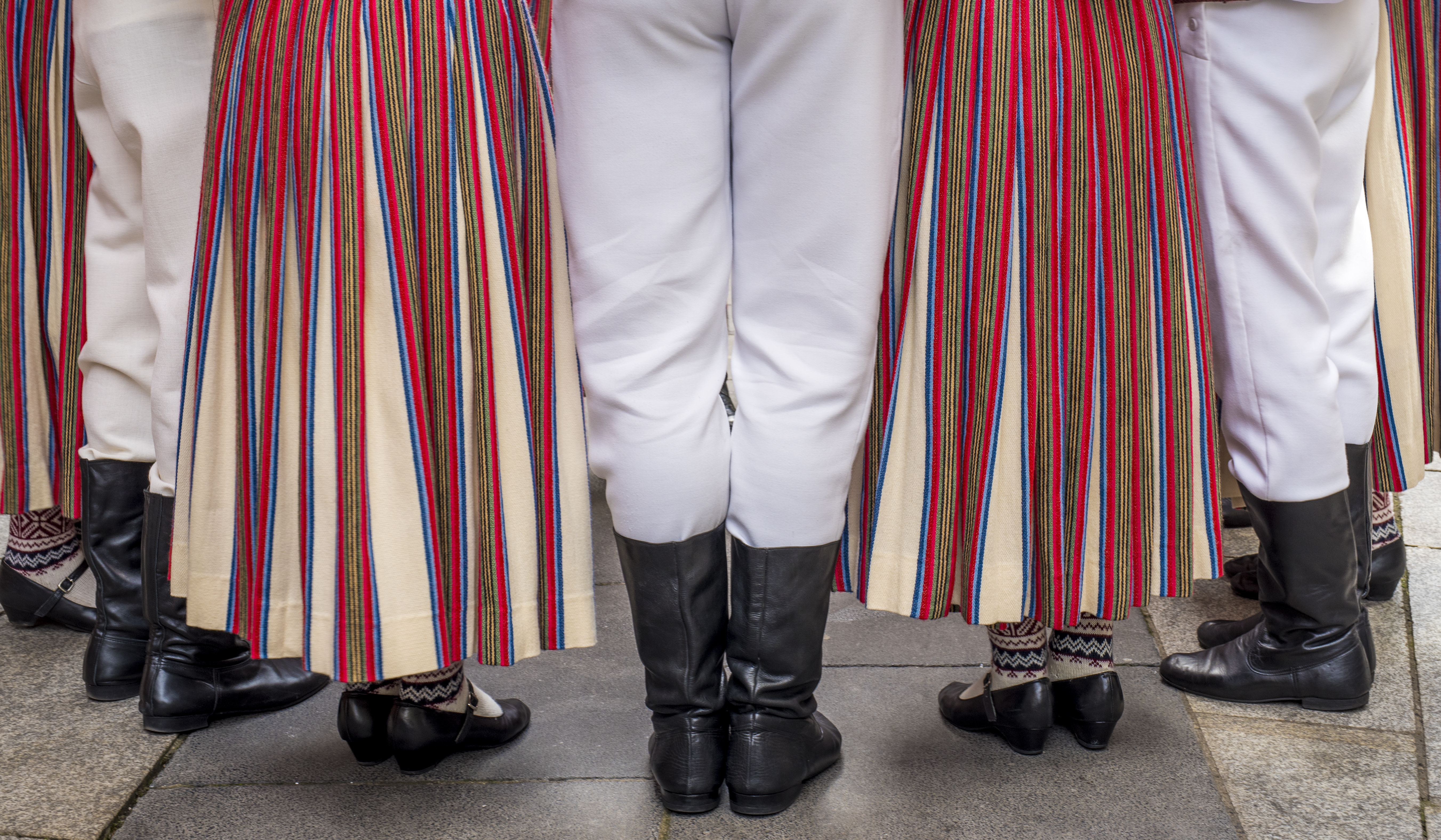
Forms of Being: Forms of Being is a visual celebration of human expression in all its diversity, cultural, emotional, and personal. From traditional dances to intimate public moments, these images highlight how people show up in the world, through movement, dress, ritual, and joy. In placing these distinct scenes side by side, the series affirms a simple truth: the right to be visible, expressive, and included belongs to everyone. Across identities, generations, and geographies, we all seek belonging, and the freedom to be seen as we are. This work is a quiet call for equity, not through grand gestures, but through the everyday forms of being human. /Danny Jackson
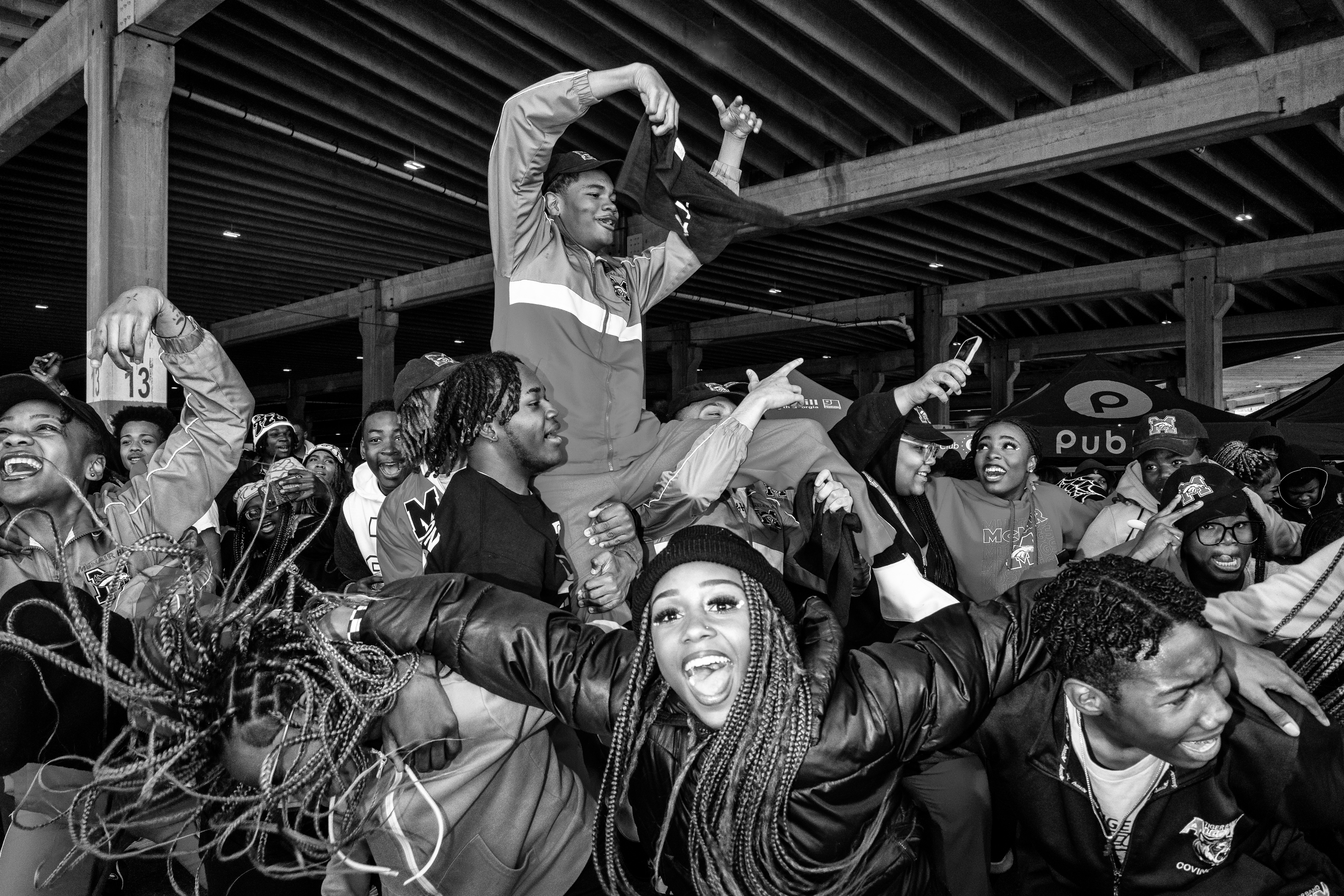
The Right to Shine: In cities around the world, public space becomes a stage for freedom, pride, and joy. This series celebrates the right of every person, regardless of gender, identity, or background, to be seen, to express, and to belong. These moments of flamboyant defiance and unfiltered joy remind us: equity is not just about access, but about visibility. /Gwen Julia
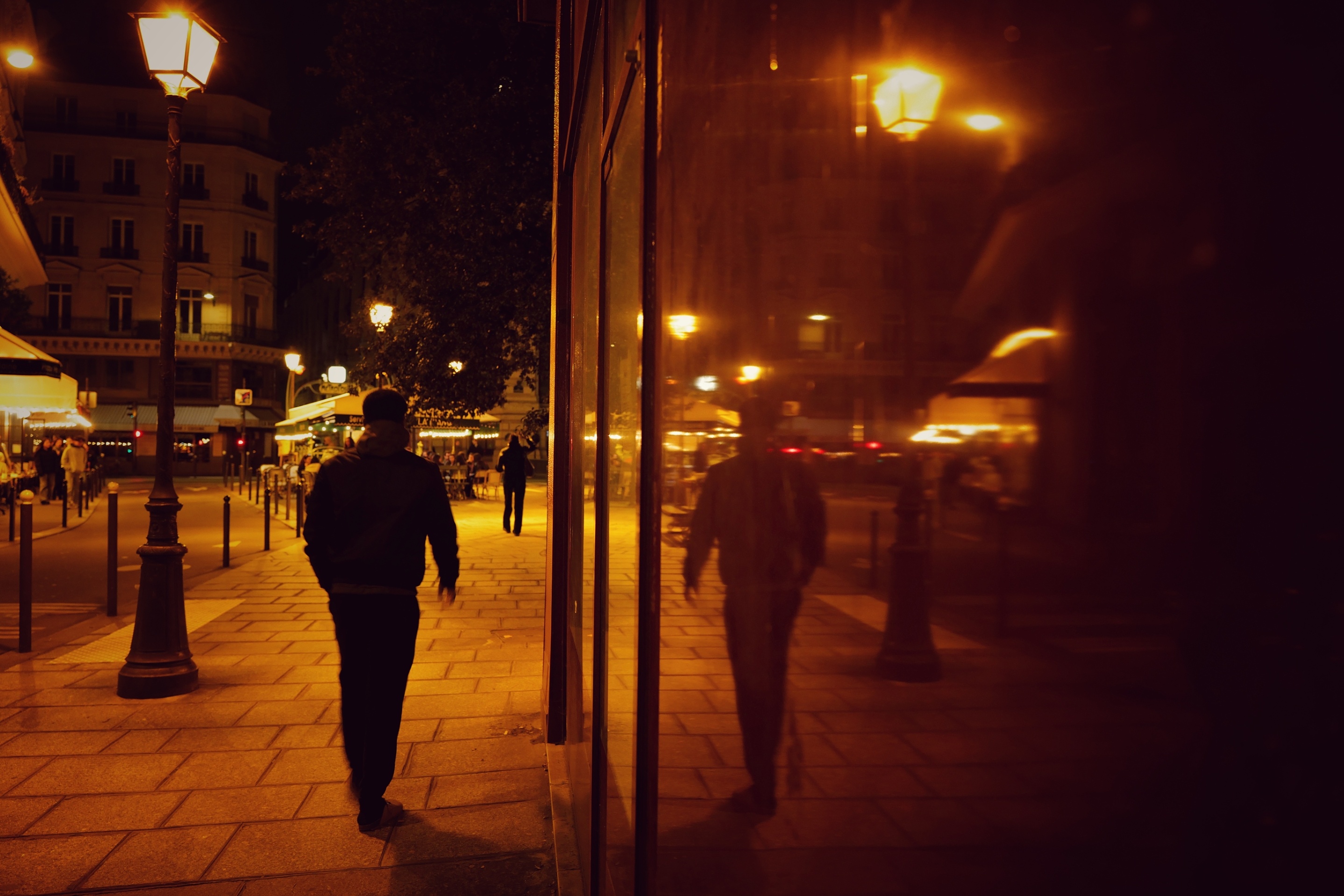
The Weather We Live In: In an age when climate discourse is dominated by statistics and catastrophe, The Weather We Live In offers a quieter, more intimate register. These images were captured in fleeting moments, rain on glass, vapor on café windows, artificial light reflected through condensation. They speak not of disaster, but of atmosphere: the unseen air we share, the shifting weather that binds strangers in public space. Through shadow, color, and texture, the series reflects on how climate is not only a global emergency but a personal and sensory reality, etched into daily urban life. These images ask: what does it mean to feel the climate, to live with it, through it, within it? /Laurent Niddam
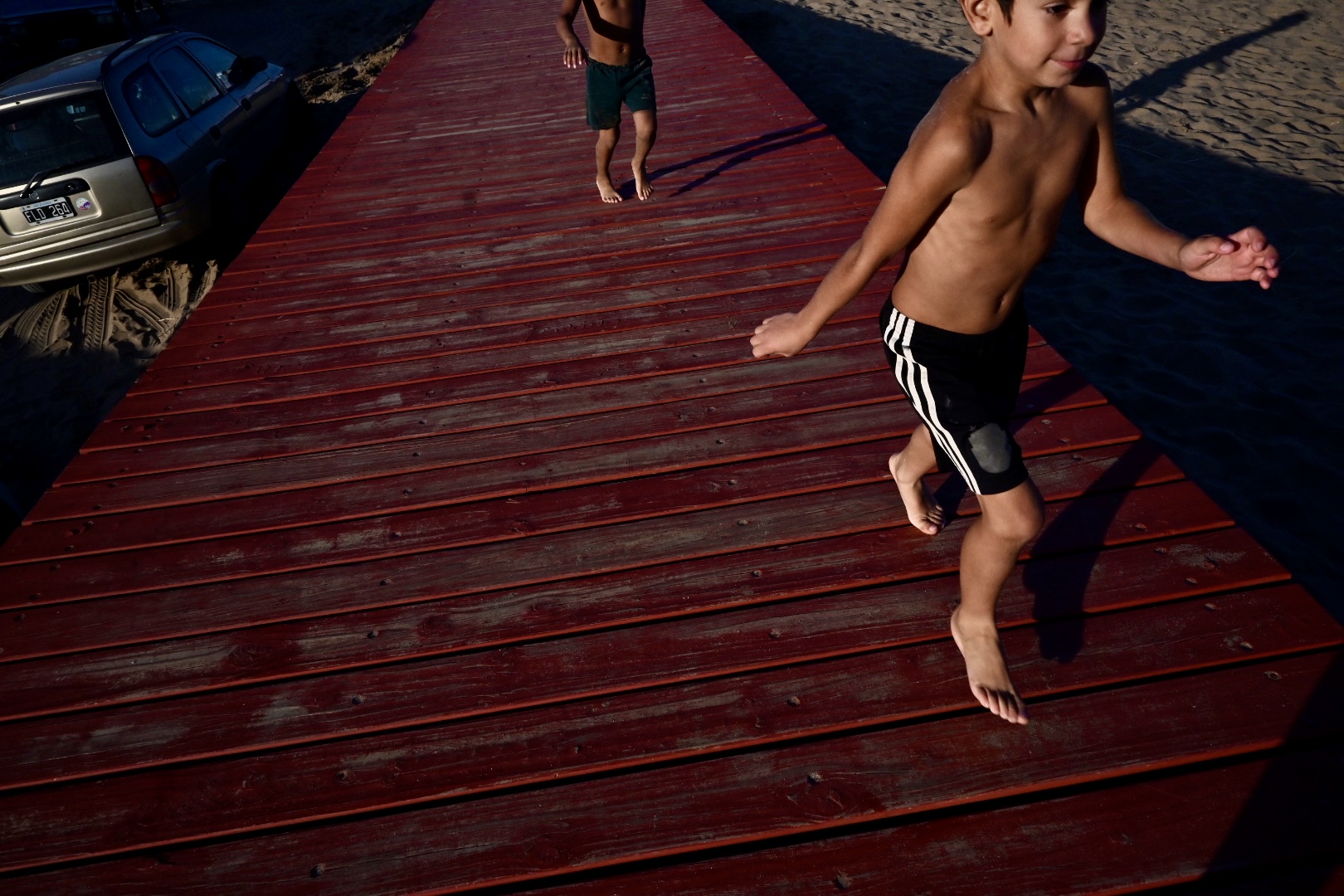
Tide of Us: Tide of Us is a portrait of daily life at the water’s edge, joyful, tender, mundane. Across generations and bodies, these images trace how people gather, rest, kiss, tan, and age in the sunlit proximity of the ocean. Yet behind the playfulness lies quiet unease: foamed shorelines, overexposed skin, a popcorn cart marooned in the tide. The sea is present, but not pristine, it is lived in, leaned on, and increasingly strained. This series does not dramatize catastrophe; instead, it reflects on how the ocean has become a stage for both celebration and silent transformation. In observing leisure, we witness dependency. In photographing comfort, we hint at fragility. These moments remind us: the ocean is not a backdrop, it is a breathing presence, shaping the rhythms of life, and asking in return to be protected. /Daniela Spina
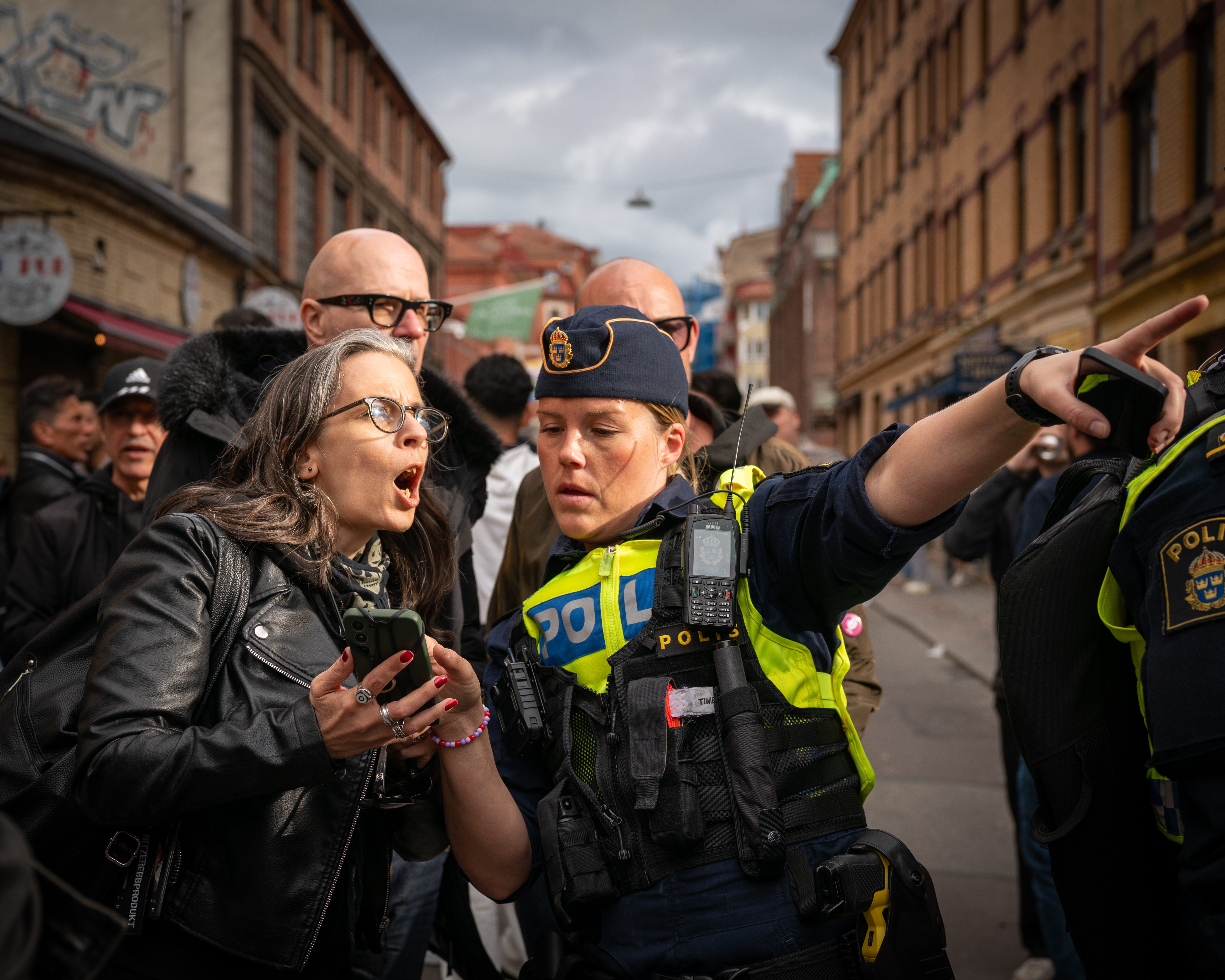
What Holds Us Together: What Holds Us Together is a visual study in coexistence. Across ten images, Linda Svensson captures the choreography of civic life: a confrontation with police, an elderly embrace, a dancer mid-performance, a quiet hug on the street. These moments form a collective portrait of how public space becomes a site of emotional negotiation. Peace here is not utopia, but friction managed, difference tolerated, humanity sustained. Through a consistent visual language and grounded empathy, the series reveals that justice is not an ideal, it’s a lived practice, held together by the ordinary, everyday acts that keep us from falling apart. /Linda Svensson
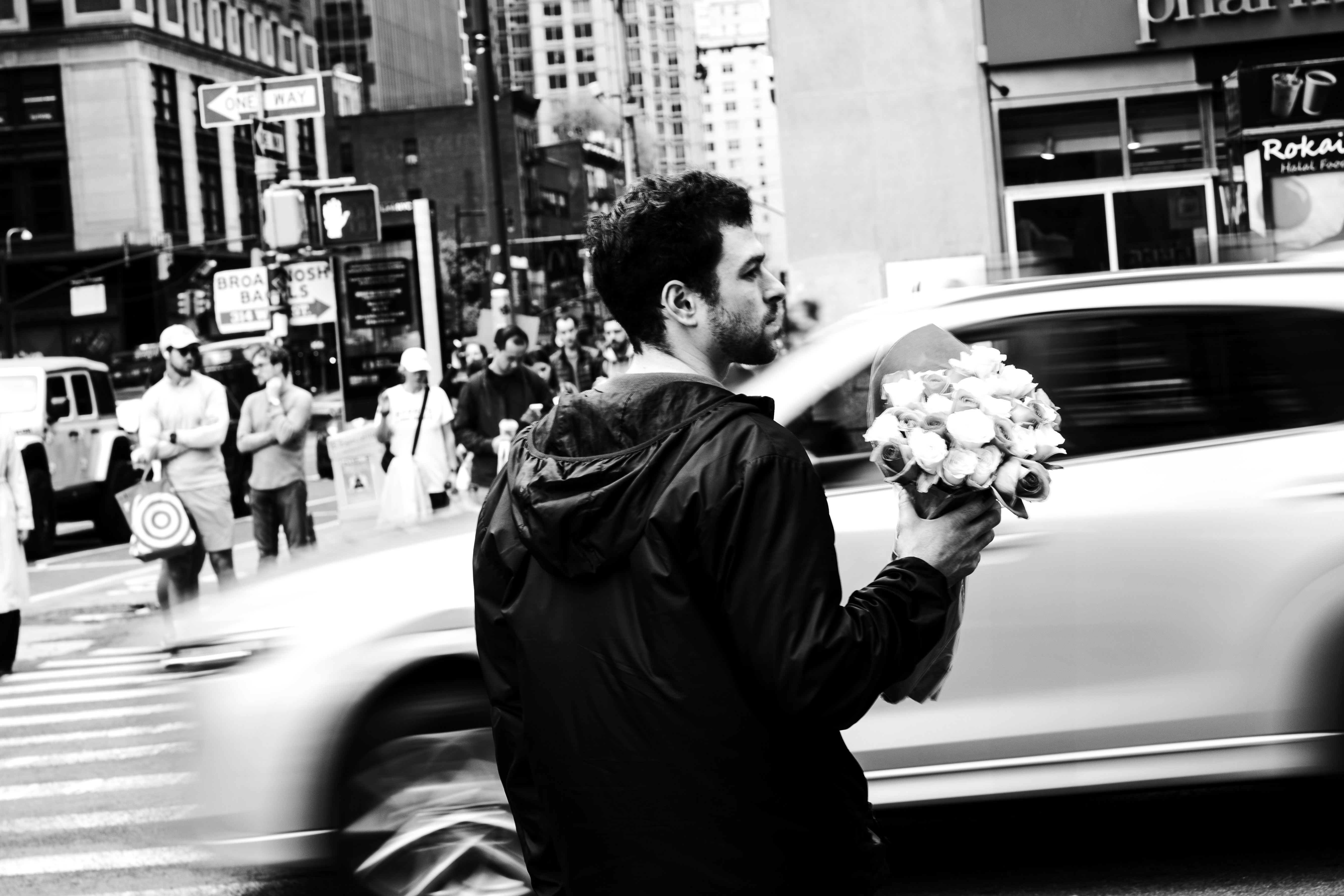
Everybody Gets to Be Somebody Here: A girl grips balloons like armor. A boy fights summer with a hydrant. A bouquet waits for someone who may never come. Mike Merino’s camera doesn’t chase headlines, it listens to the street. These are moments of presence, but aren’t moments of power, that’s everything. Because equity doesn’t always march. Sometimes it flirts. Dances. Leans. Laughs. Or just stands there. This city doesn’t speak one language. It hums, snaps, flinches, explodes, pauses. And Mike captures all of it. No hierarchy. No permission needed. /Mike Merino

UN@80: Young visions for a shared tomorrow


News

Post navigation

Previous Post: South Asia in upheaval: Riots, regime change, and the shadows behind the curtain
Next Post: What’s behind latest shift of France’s government?

Related Posts

The Trump Administration Is Launching an AI Chatbot The Trump Administration Is Launching an AI Chatbot News
Collision involving lorry claims life of 27-year-old e-bike rider Collision involving lorry claims life of 27-year-old e-bike rider News
Bindi Irwin Shares Her Hernia From Giving Birth Was Bindi Irwin Shares Her Hernia From Giving Birth Was “Unzipping” Before Hospitalization News

Latest

  • Before the first punch, Trump’s White House UFC event faces blowback
  • Who is Aaron Spencer? 5 things to know about Arkansas father whose murder charge was dropped
  • Anna Nicole Smith’s Daughter Is The Spitting Image Of Her Mother
  • Russian President Vladimir Putin rejects Ukrainian President Volodymyr Zelenskyy’s call to have a face-to-face meeting
  • The US job market is strong but many Americans are still frustrated by prospects and rising prices
  • The Samsung Galaxy S27 Ultra is Finally Real: Here is What We Know
  • Taxi driver in Bangkok returns S$12K cash left in his vehicle by Sri Lankan tourist
  • In public letter, Ukraine’s Zelenskyy calls on Putin for direct negotiations in a neutral country
  • ‘Top Gun: Maverick’ Actor James Handy Allegedly Stabbed to Death by Girlfriend’s Son
  • Mira Murati steps back into the spotlight, carefully

Copyright © 2025 JOBUZO. Disclaimers | Privacy Policies

Powered by PressBook Masonry Blogs